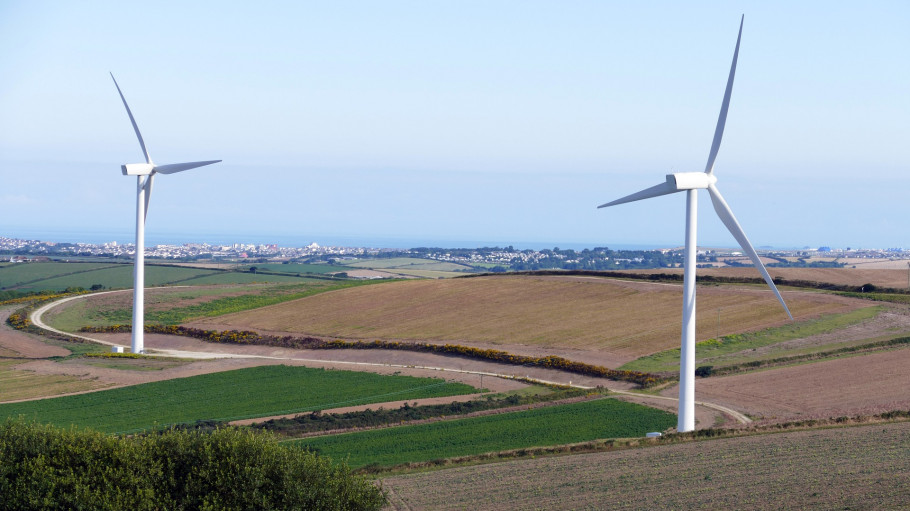
Press releases » EUROFER welcomes the imposition of EU anti-dumping measures on imports of steel wind towers from Chi
Press statement on the imposition of EU anti-dumping measures on imports of steel wind towers from China
Downloads and links
Recent updates
Following the European Commission regulation [1] imposing definitive anti-dumping duties on imports of steel wind towers from China published on 16/12/2021, the European Steel Association has issued the following statement:
Brussels, 21 December 2021 – EUROFER welcomes the imposition of EU anti-dumping measures on imports of steel wind towers from China, enforcing fair trade conditions down the steel-related value chain in Europe's industry. China's massive excess capacity and trade distortions do not stop at the upstream industrial materials level.
“This case illustrates that downstream steel-using sectors cannot solely rely on short-term cost benefits from low input costs resulting from unfair trade practices”, said Axel Eggert, Director General of the European Steel Association (EUROFER). “This is particularly important in sectors that are essential for the transition to green energy specifically and green industry in general” in order to achieve the EU’s ambitious climate targets, added Mr Eggert.
[1] https://trade.ec.europa.eu/doclib/press/index.cfm?id=2346
Contact
Lucia Sali, Spokesperson and Head of Communications, +32 2 738 79 35, (l.sali@eurofer.eu)
About the European Steel Association (EUROFER)
EUROFER AISBL is located in Brussels and was founded in 1976. It represents the entirety of steel production in the European Union. EUROFER members are steel companies and national steel federations throughout the EU. The major steel companies and national steel federation of Turkey and the United Kingdom are associate members.
The European Steel Association is recorded in the EU transparency register: 93038071152-83.
About the European steel industry
The European steel industry is a world leader in innovation and environmental sustainability. It has a turnover of around €170 billion and directly employs 330,000 highly-skilled people, producing on average 160 million tonnes of steel per year. More than 500 steel production sites across 22 EU Member States provide direct and indirect employment to millions more European citizens. Closely integrated with Europe’s manufacturing and construction industries, steel is the backbone for development, growth and employment in Europe.
Steel is the most versatile industrial material in the world. The thousands of different grades and types of steel developed by the industry make the modern world possible. Steel is 100% recyclable and therefore is a fundamental part of the circular economy. As a basic engineering material, steel is also an essential factor in the development and deployment of innovative, CO2-mitigating technologies, improving resource efficiency and fostering sustainable development in Europe.
Download files or visit links related to this content
Steel in Action 2026
Brussels, 12 June 2026 - Europe's steel industry has noted improvements made by EU ministers to the proposed reform of the Carbon Border Adjustment Mechanism (CBAM), but warns loopholes remain that could weaken both Europe's climate ambitions and industrial competitiveness.
EUROFER’s Annual Report 2026 sets out the key economic trends, policy developments and challenges shaping the future of the European steel industry today.
The European Steel Association (EUROFER)
172 Avenue de Cortenbergh
1000 Brussels
Belgium
Email: mail@eurofer.eu
Phone: +32 (0) 2 738 79 20