Publications » Position papers » EU Electrification Action Plan (EAP)
EU Electrification Action Plan (EAP)
Downloads and links
Recent updates
As the public consultations on the EU Electrification Action Plan (EAP) have concluded, the European steel industry very much looks forward to the adoption in early 2026 of a comprehensive, consumer-focused and bold Action Plan to restore affordable electricity in the EU industrial sectors and herewith revamp EU progress toward the attainment of its climate neutrality and industrial strategic autonomy objectives.
Increasing the rates of fossil-free electricity consumption in European industrial sectors requires a massive and rapid reduction of the costs associated to electricity consumption from lowering wholesale market prices to ensuring a true decoupling of fossil-fuel prices from electricity prices in long-term contracts. Moreover, increased transparency on the displacement of fossil-fired power plants from the merit-order in short-term markets is a necessary instrument in tracking the effectiveness of increased investments in new generation capacity in reducing prices and costs for consumers and investors, alongside a timely assessment of alternative market-design models which reflect the changing energy outlook and scenarios of the EU.
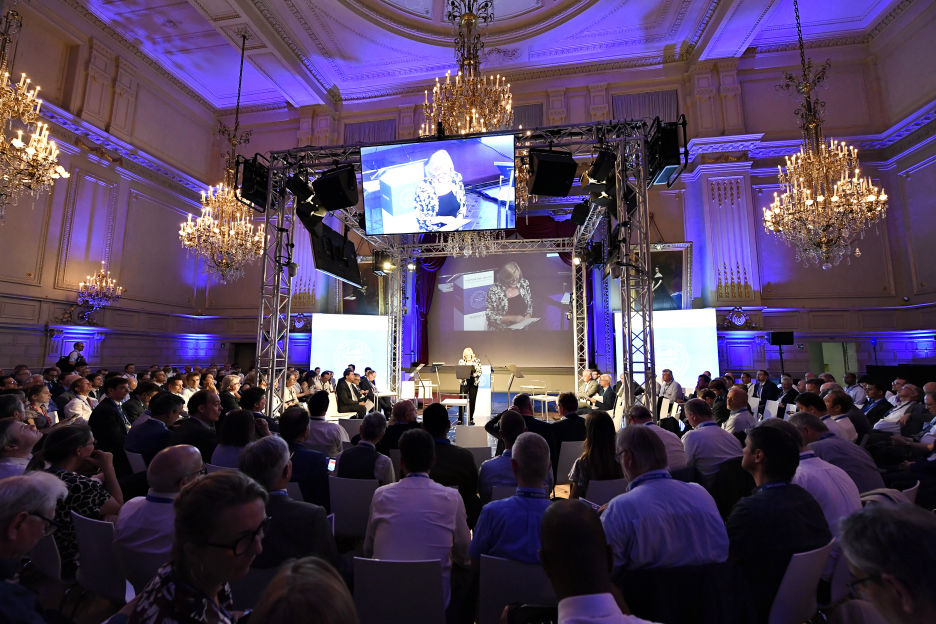
Brussels, 1 October 2026 - The European Steel Association (EUROFER) has elected Geert Van Poelvoorde, Chairman of the Board of ArcelorMittal Europe Steel, as its new President. Taking office today, Mr Van Poelvoorde said stronger home markets across the steel value chain, secure access to export markets and a strong industrial base will be essential to delivering on the European Union’s ambitions for global competitiveness and strategic autonomy.
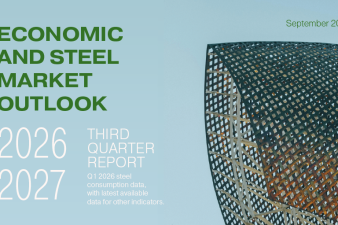
Brussels, 1 October 2026 - Europe’s steel market remains under significant pressure, with exports falling sharply, production at historic lows and demand expected to remain almost flat in 2026, according to the European Steel Association’s (EUROFER) latest Economic and Steel Market Outlook 2026-2027. EU steel exports to third countries fell by 20% in the first half of 2026, with declines across all major export destinations covered by the report. At the same time, crude steel production continued to falter, after reaching a historic low of 125.8 million tonnes in 2025, while apparent steel consumption is forecast to grow by just 0.1% in 2026, before increasing by 2.3% in 2027.
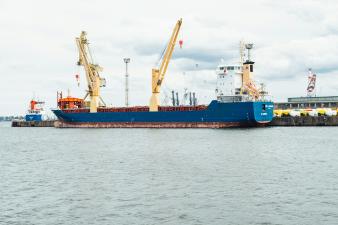
Ship recycling
The European Steel Association (EUROFER)
172 Avenue de Cortenbergh
1000 Brussels
Belgium
Email: mail@eurofer.eu
Phone: +32 (0) 2 738 79 20