Press releases » EU steel exports to U.S. plunge 30% as industry calls for a fair, enforceable trade deal
EU steel exports to U.S. plunge 30% as industry calls for a fair, enforceable trade deal
Downloads and links
Recent updates
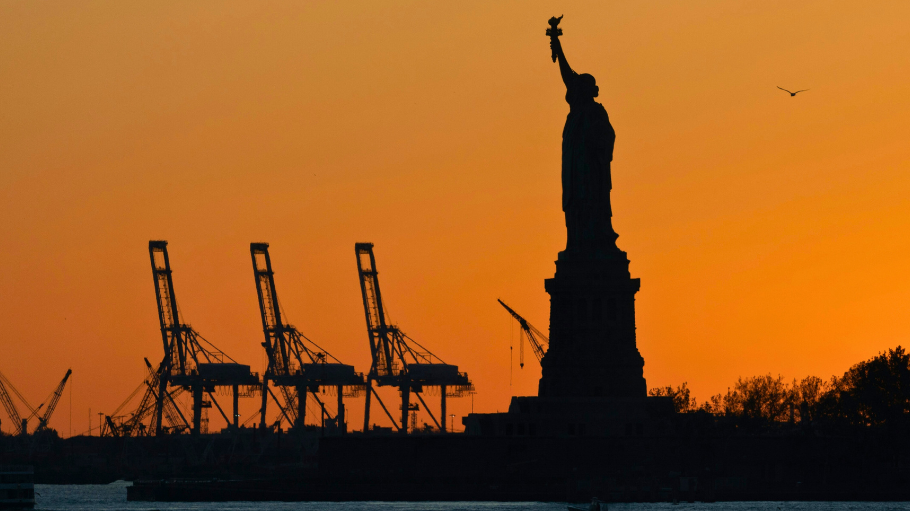
Brussels, 20 February 2026 – EU steel exports to the United States fell by 30% in the second half of 2025 compared to the same period in 2024, after the imposition of 50% tariffs according to new Eurostat data. The expansion of the U.S. tariff regime to include downstream steel-intensive products, such as machinery and equipment, is expected to amplify its impact on both EU steel producers and their customers. The European Steel Association (EUROFER) said the figures underscore the need for any EU-US trade agreement to be fair, balanced and enforceable.
The data highlights the significant impact current US tariff levels have had on Europe’s steel industry. It adds urgency to upcoming discussions on the EU-US trade agreement due to take place in the European Parliament’s International Trade Committee (INTA) on 24 February, where enforceability and balance in transatlantic trade relations will be debated.
“A 30% drop in steel exports to the US within just six months is a clear signal that the blunt 50% tariffs imposed by the US government on EU steel are damaging our industry. The U.S. decision to include EU downstream steel products, such as machinery, will have another huge negative impact on us and our European customers,” said Axel Eggert, Director General of EUROFER.
He added, “If the EU-US trade agreement is to restore stability and predictability, it must be fair, reciprocal and enforceable. Commitments on tariffs must translate into real and balanced market conditions for industry on both sides of the Atlantic. But so far, we are still waiting to hear whether the arrangement will secure meaningful EU steel access to the US market or a joint response to global steel overcapacity.”
The steel industry welcomed recent proposals in the European Parliament to introduce review and response mechanisms within the EU-US arrangement to ensure that European industry can respond if tariff levels remain elevated or increase in the future.
With EU steel safeguards set to expire in June, the industry stressed that the transition to the EU’s new steel trade measure currently in negotiations, must be agreed and put in place no later than 1 July this year. Critically, steel intensive downstream products must also be shielded from trade diversion and global overcapacity.
The risk of trade diversion through steel-intensive downstream products has increased significantly over the past decade. Figures by WorldSteel show that EU indirect steel imports - steel embedded in finished goods - rose from 96 million tonnes in 2014 to 121 million tonnes in 2024. At the same time, China’s indirect steel exports nearly doubled from around 82 million tonnes five years ago to approximately 137 million tonnes in 2024, while its direct steel exports also reached record highs.
Contact
David French, Spokesperson and Head of Communications, +32 2 738 79 35, (d.french@eurofer.eu)
About the European Steel Association (EUROFER)
EUROFER AISBL is located in Brussels and was founded in 1976. It represents the entirety of steel production in the European Union. EUROFER members are steel companies and national steel federations throughout the EU. The major steel companies and national steel federation of Turkey, Ukraine and the United Kingdom are associate members.
The European Steel Association is recorded in the EU transparency register: 93038071152-83.
About the European steel industry
The European steel industry is a world leader in innovation and environmental sustainability. It has a turnover of around €215 billion and directly employs around 298,000 highly-skilled people, producing on average 146 million tonnes of steel per year. More than 500 steel production sites across 22 EU Member States provide direct and indirect employment to millions more European citizens. Closely integrated with Europe’s manufacturing and construction industries, steel is the backbone for development, growth and employment in Europe.
Steel is the most versatile industrial material in the world. The thousands of different grades and types of steel developed by the industry make the modern world possible. Steel is 100% recyclable and therefore is a fundamental part of the circular economy. As a basic engineering material, steel is also an essential factor in the development and deployment of innovative, CO2-mitigating technologies, improving resource efficiency and fostering sustainable development in Europe.
Steel in Action 2026
Brussels 17 July 2026 - Statement by EUROFER Director General Axel Eggert on the European Commission's proposal to revise the EU Emissions Trading System (ETS):
Brussels, 16 July 2026 - Ahead of the European Commission's review of the EU Emissions Trading System (ETS), the European Steel Association (EUROFER) reaffirmed its support for the EU's climate neutrality objective by 2050, while warning that the ETS can only succeed if it is adapted to market realities and accompanied by the enabling conditions needed for industrial decarbonisation.
The European Steel Association (EUROFER)
172 Avenue de Cortenbergh
1000 Brussels
Belgium
Email: mail@eurofer.eu
Phone: +32 (0) 2 738 79 20