Press releases » Steel industry warns EU high electricity prices threaten Europe’s economic competitiveness
Steel industry warns EU high electricity prices threaten Europe’s economic competitiveness
Downloads and links
Recent updates
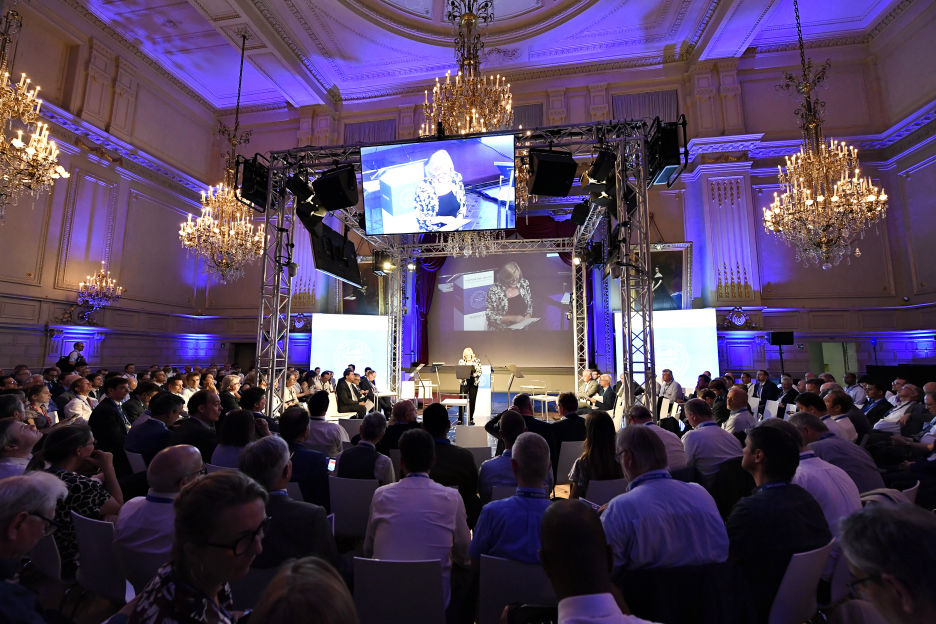
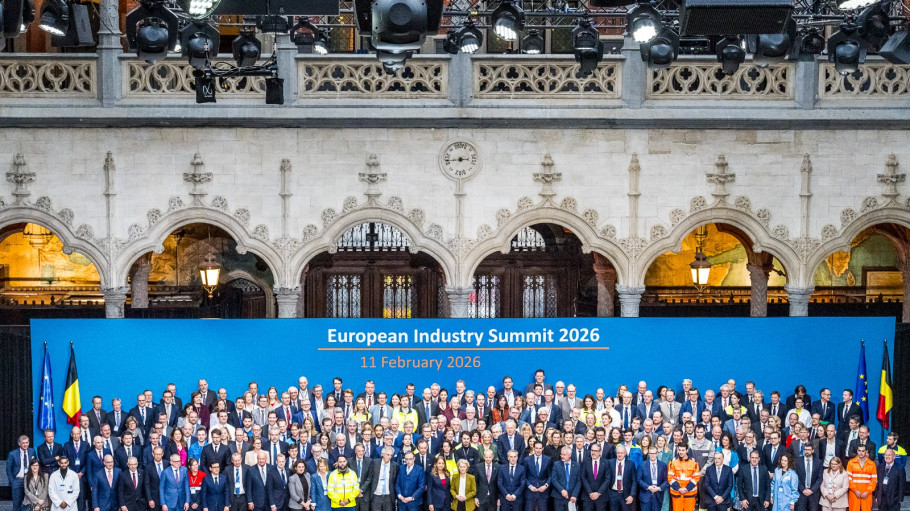
Brussels, 11 February 2026 - The European Steel Association (EUROFER) has backed a call to action adopted by European companies and industries in Antwerp today, which includes a demand on the EU to take urgent action to bring electricity prices down as a condition for Europe’s industrial drive, competitiveness and economic resilience.
Following the publishing of the call be shared just before the EU leaders’ retreat on 12 February, EUROFER stressed that persistently high and volatile electricity prices, further inflated by high taxes and carbon costs, have become one of the largest obstacles to investment, electrification and decarbonisation in Europe’s steel industry.
EUROFER underlined that restoring electricity prices closer to pre-2021 levels of €44 /MWh, before the energy crisis hit, is essential if Europe is serious about strengthening its steel industry and safeguarding industrial value chains.
Henrik Adam, President of EUROFER and Executive Chairman of Tata Steel Netherlands Holding BV, said, “Steel is at the heart of Europe’s industrial ambition, but it is being held back by sky high electricity prices and costs. If the EU wants investment in low-carbon steel to happen in Europe, it must deliver total electricity costs closer to €50/MWh – across all member states. Bringing power prices down is now the litmus test of Europe’s economic and climate credibility.”
At the same time, EUROFER stressed the need for short-term support measures fit-for-purpose to keep steel production and investment in Europe while structural reforms are implemented to decouple electricity prices from fossil fuel prices.
Axel Eggert, Director-General of EUROFER, added: “Steelmakers are taking decisions now. Without effective relief from high electricity prices, investment will move elsewhere and capacity will be lost. Keeping steel production in Europe is not just an industrial issue - it is essential for Europe’s economic security and strategic autonomy.”
EUROFER was also represented in Antwerp by two of its vice-presidents, Geert Van Poelvoorde, CEO of ArcelorMittal Europe, and Mario Arvedi Caldonazzo, CEO of Arvedi Group, among other representatives of the European steel industry. They joined over 500 industry leaders, the President of the European Commission and six EU Heads of States.
Contact
David French, Spokesperson and Head of Communications, +32 2 738 79 35, (d.french@eurofer.eu)
About the European Steel Association (EUROFER)
EUROFER AISBL is located in Brussels and was founded in 1976. It represents the entirety of steel production in the European Union. EUROFER members are steel companies and national steel federations throughout the EU. The major steel companies and national steel federation of Turkey, Ukraine and the United Kingdom are associate members.
The European Steel Association is recorded in the EU transparency register: 93038071152-83.
About the European steel industry
The European steel industry is a world leader in innovation and environmental sustainability. It has a turnover of around €215 billion and directly employs around 298,000 highly-skilled people, producing on average 146 million tonnes of steel per year. More than 500 steel production sites across 22 EU Member States provide direct and indirect employment to millions more European citizens. Closely integrated with Europe’s manufacturing and construction industries, steel is the backbone for development, growth and employment in Europe.
Steel is the most versatile industrial material in the world. The thousands of different grades and types of steel developed by the industry make the modern world possible. Steel is 100% recyclable and therefore is a fundamental part of the circular economy. As a basic engineering material, steel is also an essential factor in the development and deployment of innovative, CO2-mitigating technologies, improving resource efficiency and fostering sustainable development in Europe.
Steel in Action 2026
Brussels 17 July 2026 - Statement by EUROFER Director General Axel Eggert on the European Commission's proposal to revise the EU Emissions Trading System (ETS):
Brussels, 16 July 2026 - Ahead of the European Commission's review of the EU Emissions Trading System (ETS), the European Steel Association (EUROFER) reaffirmed its support for the EU's climate neutrality objective by 2050, while warning that the ETS can only succeed if it is adapted to market realities and accompanied by the enabling conditions needed for industrial decarbonisation.
The European Steel Association (EUROFER)
172 Avenue de Cortenbergh
1000 Brussels
Belgium
Email: mail@eurofer.eu
Phone: +32 (0) 2 738 79 20