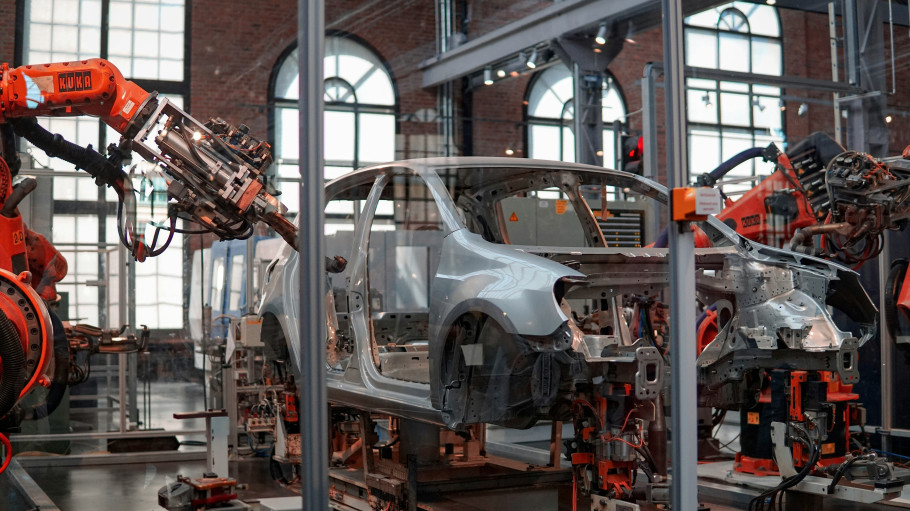
The Commission proposals are an important step to secure the EU’s industrial autonomy and decarbonisation goals. The automotive value chain is of vital importance to the EU steel industry and requires an integrated approach to realising the decarbonisation transition in a pragmatic way. This not only concerns decarbonisation of tailpipe emissions but also the entire automotive value chain.
EUROFER therefore fully supports the introduction of a credit for the use of ‘low-carbon steel’ (also known as ‘low CO2 steel’) as a strategic tool for reaching the CO2 emissions standards, as well as recognising the importance of vehicles that are ‘Made in the EU’. By partnering with car manufacturers, the steel industry enables compliance with CO₂ standards, supports lifecycle decarbonization, and strengthens Europe’s sustainable mobility and manufacturing leadership. There are however significant improvements that need to be addressed:
1. Bringing forward the applicability low-carbon steel credits to 2030 - By integrating low-carbon steel credits earlier, the automotive sector gains a pragmatic pathway to climate neutrality, supporting both regulatory compliance and industrial competitiveness. It would also avoid delaying demand for low-carbon steel.
2. Allowing low-carbon steel credits within pooling – OEMs that use the flexibility of pooling to meet their CO2 emissions standards should not be prevented from utilising low-carbon steel credits to compensate additional emissions.
3. ‘Made in EU’ definition should ensure that a major share of key components and materials are made within the EU, including 85% of steel ‘melted and poured’ within the EU. The definition should account for a minimum added value for components as well as covering a minimum mass of key strategic materials (a minimum of 85% for steel[1]). We want to avoid that a definition becomes essentially a ‘assembled in EU’ definition, where most of the components and materials in a vehicle could originate from outside the EU. ‘Made in EU’ should recognise the contribution of the entire EU manufacturing ecosystem for its commitment to high ESG standards, climate ambition and innovation.
4. Lead Market Automotive – Leveraging decarbonisation potentials over the lifecycle and throughout the value-chain – The procurement of low-carbon steel offers OEMs the opportunity to decarbonize the industrial value chain: in passenger cars, steel accounts for ~15–25% of total manufacturing-phase emissions[2]. As the tailpipe emissions reach closer to zero, the lifecycle emissions of the vehicle become more important. EUROFER therefore proposes that policy anticipates future possibilities for rewarding lifecycle CO₂ reductions in general, that would also incentivise the use of low-carbon steel and wider value chain decarbonisation, in all vehicle segments, including ZEVs. Such a mechanism should incentivise good design choices within ZEV’s and avoid that emissions are shifted to other lifecycle stages. This would incentivise the transition towards transparent reporting of lifecycle CO2 emissions in a robust and simplified way. The steel industry is committed to supporting the development of transparent data and methodologies for lifecycle CO₂ reporting, enabling car manufacturers to meet regulatory and consumer expectations for climate performance.
[1] The Commission impact assessment assumed 85% of steel is made in EU for the ‘Made in EU’ scenario (Ch.7.6)
Download this publication or visit associated links
Industrial Accelerator Act launches lead markets - but more is needed to support green steel “Made in Europe”
Brussels, 26 February 2026 — Europe’s steel industry has warned that the current draft Industrial Accelerator Act could direct public support for low-carbon steel to producers outside the European Union, unless lawmakers include and tighten ‘Made in Europe’ provisions.
Brussels, 24 February 2026 - Europe’s energy-intensive industries have set out a series of proposals to ensure that the EU’s upcoming Electrification Action Plan delivers on its objectives to stimulate and boost electricity consumption in industry. In a joint position paper, industries warn that persistently high electricity prices risk undermining industrial competitiveness and decarbonisation efforts. They call for a policy framework that will enable EU industry in pursuing decarbonisation and industrial competitiveness.
The European Steel Association (EUROFER)
172 Avenue de Cortenbergh
1000 Brussels
Belgium
Email: mail@eurofer.eu
Phone: +32 (0) 2 738 79 20